
OSM 5-3-2 Counter Tactic 2027 (26/27)
How do you break a 5-3-2 in OSM 26/27? 4-3-3B with Wing play, a Pressing/Style/Tempo table for home and away, and the reasoning behind it.

5 min read
In brief
AI summaryThe recommended counter to a 5-3-2 is 4-3-3B with Wing play to stretch its compact back five.
For an even home match, suggested settings are Pressing 60, Style 69 and Tempo 60, though the figures are untested community data.
Use Attack-only forwards, midfielders protecting the defence, deep defenders, zonal marking and no offside trap to limit counterattacks.
Contents11 sections
The 26/27 advice for an OSM 5-3-2 counter tactic is clear: break the back five with width. Community data recommends 4-3-3B with Wing play in every scenario; for an even home game, start at Pressing 60, Style 69, Tempo 60.
The numbers come from OSM Next Level's 5-3-2 page (23 October 2026), a community tool; we have not tested them. Below are the table, the settings and the reasoning for why width opens a back five.
How an opponent's 5-3-2 plays
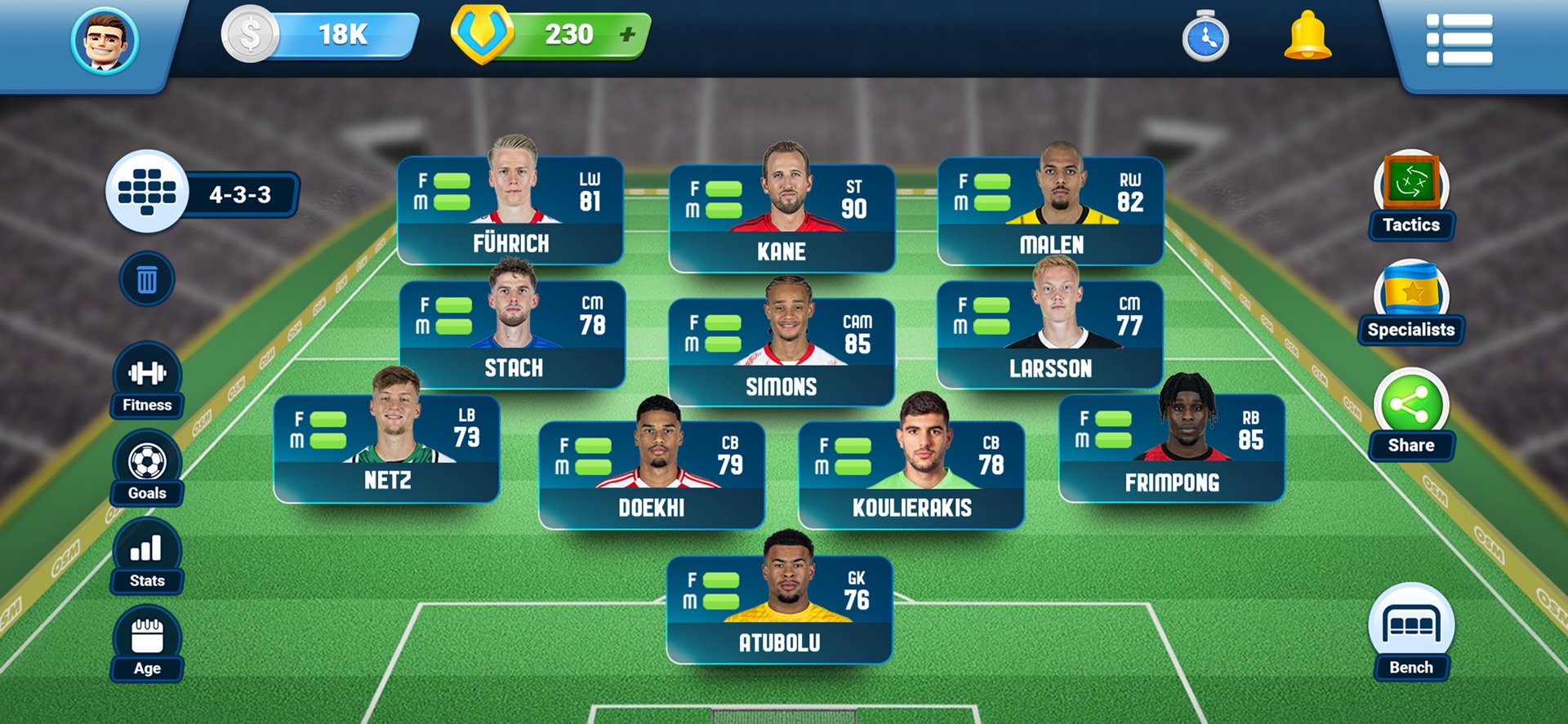
5-3-2 uses five defenders, three central midfielders and two strikers. According to OSM Next Level it is compact, disciplined and built to counter. It shares 5-2-3's defensive intent, but with one fewer forward and one more midfielder, which makes it slightly more cautious in transition.
The 5-3-2 example in OSM Helper's site tactics matches that picture: Counter-attack, Defenders on Defend deep, Midfielders on Protect the defence, Forwards on Attack only, with Pressing 30, Style 25 and Tempo 60. Expect a side that waits deep and fires the ball to its two strikers as soon as it wins it back.
| 5-3-2 strengths | 5-3-2 weaknesses |
|---|---|
| Three central midfielders control the middle | Sustained wing play stretches the back five |
| Five defenders give a very stable base | Fewer attacking outlets than 5-2-3 |
| Two strikers combine on rare counters | Overwhelmed by high tempo and style at home |
| Disciplined, low-risk shape away from home | Little width of its own; relies on turnovers |
OSM 5-3-2 counter tactic table (26/27)
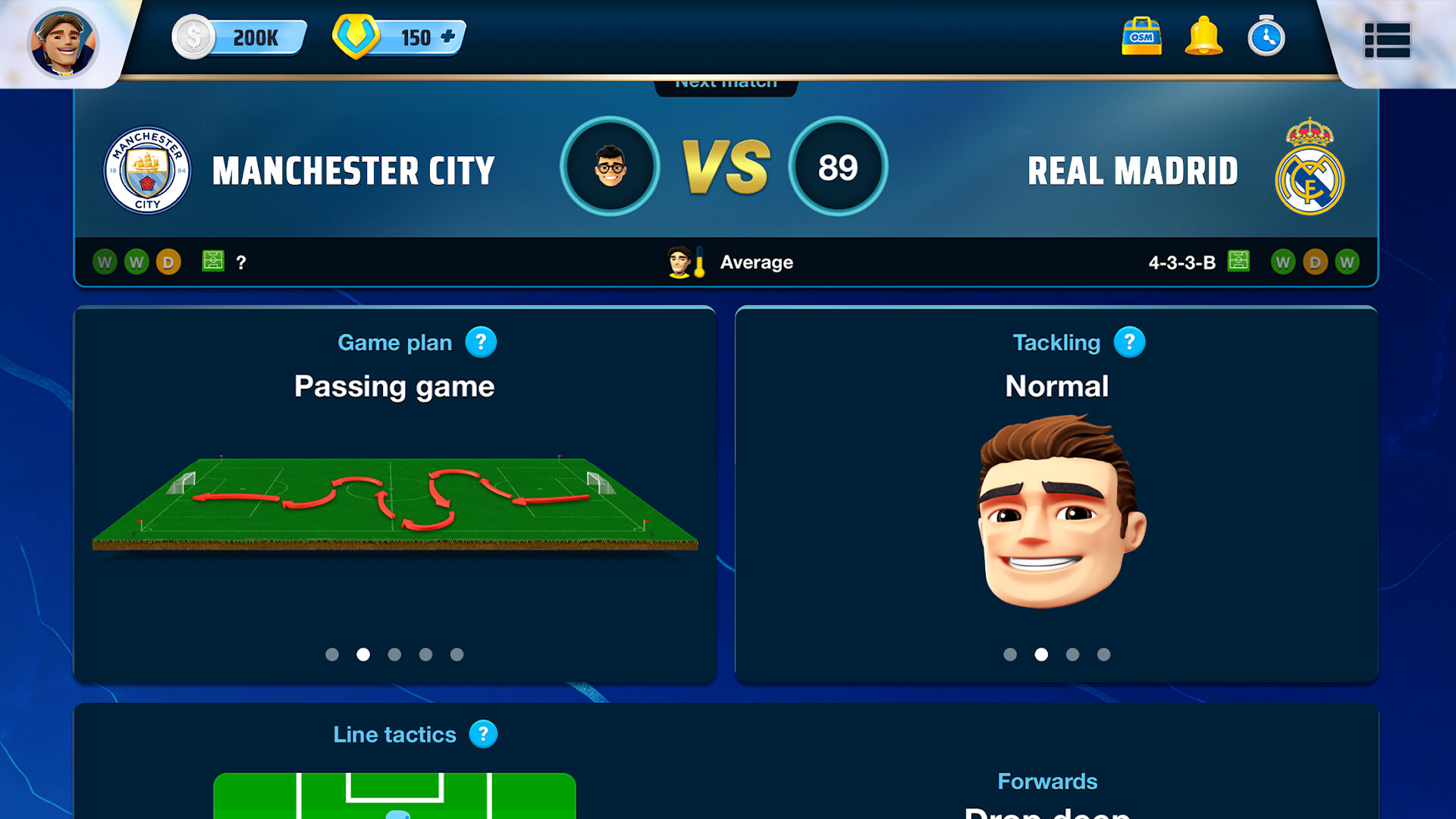
| Venue | Your strength | Formation | Game plan | Pressing | Style | Tempo |
|---|---|---|---|---|---|---|
| Home | Stronger | 4-3-3B | Wing play | 69 | 73 | 66 |
| Home | Even | 4-3-3B | Wing play | 60 | 69 | 60 |
| Home | Weaker | 4-3-3B | Wing play | 60 | 65 | 65 |
| Away | Stronger | 4-3-3B | Wing play | 70 | 61 | 66 |
| Away | Even | 4-3-3B | Wing play | 55 | 62 | 65 |
| Away | Weaker | 4-3-3B | Wing play | 60 | 65 | 60 |
The standout feature is tempo: all six rows sit at 60 or above, the "High-speed passing" band. According to OSM Next Level's tempo guide, its engine deliberately raises tempo against shapes with five or more defenders, because breaking a crowded block takes speed.
Line tactics, marking and offside trap
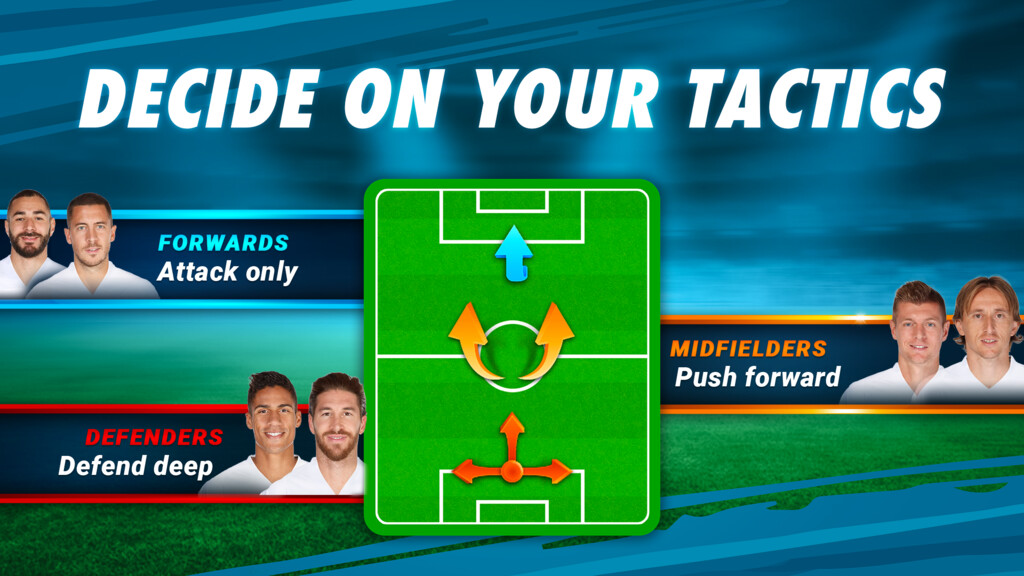
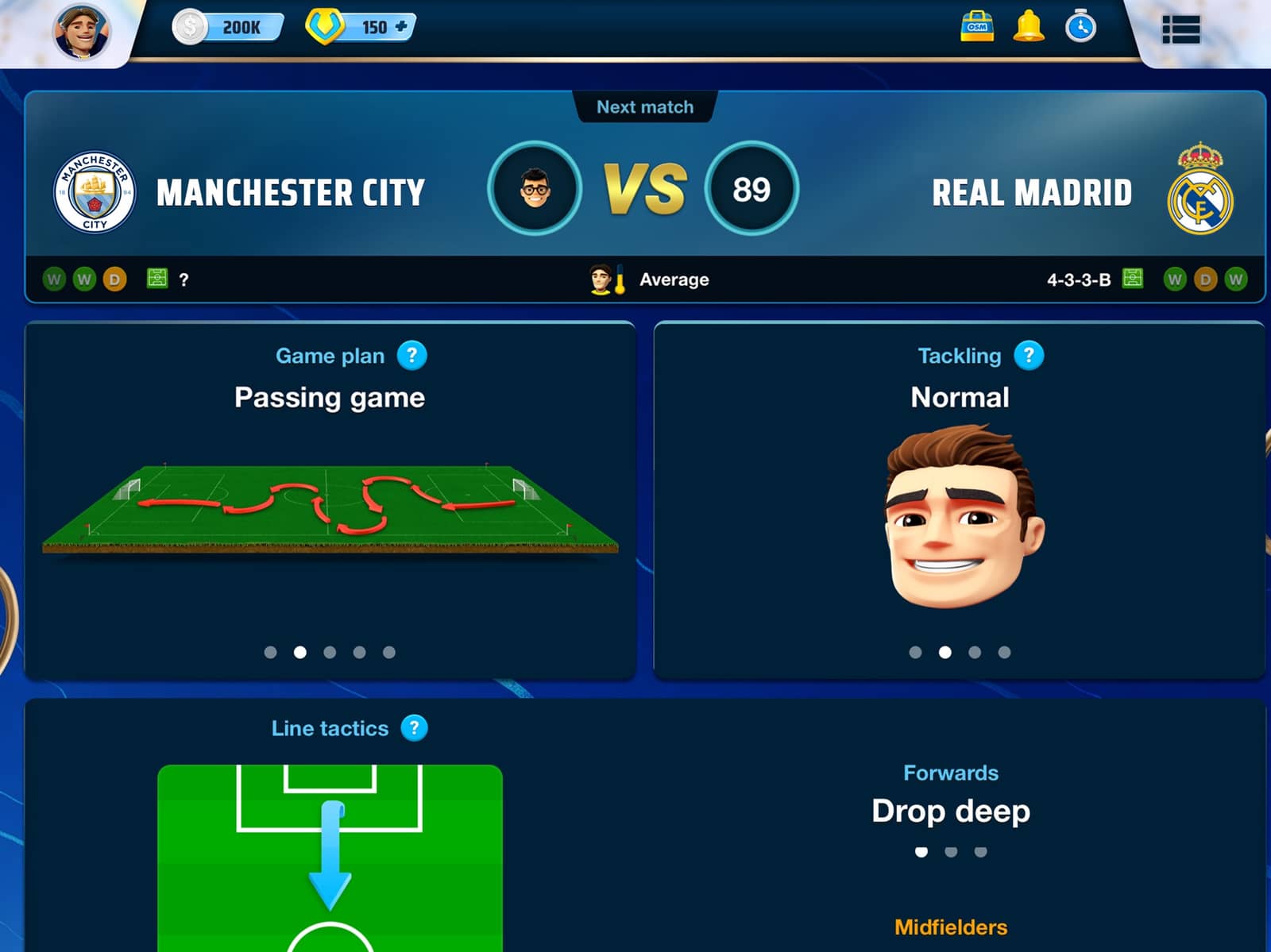
- Forwards: Attack only
- Midfielders: Mostly Protect the defence (four of six recommendations), sometimes Stay in position
- Defenders: Defend deep
- Marking: Zonal marking. Four defenders against two strikers leaves two spare men.
- Offside trap: No. None of the source's recommendations against 5-3-2 switch it on.
- Tackling: Based on the referee's colour; Normal or Careful with red and orange referees.
Keeping the midfield on Protect the defence is about their counter. A 5-3-2 breaks quickly to its two strikers when it wins the ball, and extra bodies in front of your defence stop those breaks early.
Why width? The logic of opening a back five
5-3-2's extra midfielder protects the centre. In the source's words, the centre is not where you attack. When Wing play keeps moving the ball wide, the outer players of the back five either step out and leave space in the middle, or stay narrow and leave your winger free.
A high tempo speeds this up. When the ball moves fast, a line of five struggles to reset for every attack. Keeping style above 60, in the "Attacking" band, also ensures enough players join the attack.
What about answering with your own back five? OSM Next Level's view is that two counter-attacking sides cancel each other out and the match comes down to one mistake. That is why it prefers stretching their five with your own width, even at equal strength.
Adjusting for venue and strength
- Home, stronger: 69/73/66. Lock them in with constant wing pressure; the decisive chance comes from stretching the back five.
- Home, even: 60/69/60. Medium pressing, high style, without leaving space for their counter.
- Away, stronger: 70/61/66. Pressing rises but style drops to 61, keeping more players behind the ball.
- Away, even: 55/62/65. Pressing in the "Balanced" band; keep the ball more and stretch the five without exposing yourself.
- Away, weaker: 60/65/60.
Across OSM Next Level's data, the average pressing against 5-3-2 is 62 and the average tempo 64. That tempo is clearly higher than against back-four shapes such as 4-2-3-1 (54) and 4-5-1 (56).
What changed since our older guide
Our earlier 5-3-2 counter tactic guide also focused on breaking the defence. The 26/27 data turns that into concrete rules: tempo goes up against a back five, the game plan is the wings, and the offside trap stays off. The tactics screen itself has not changed. OSM's official help advice still applies: try the tactic in a friendly first.
Frequently Asked Questions
What is the best formation against 5-3-2 in OSM?
The 26/27 community data recommends 4-3-3B with Wing play in all six scenarios. It is a recommendation, not a guaranteed win.
Why is tempo high against 5-3-2?
A crowded defence has to be broken with speed. In OSM Next Level's data, tempo against five- and six-man defences sits above its overall average.
Should I use the offside trap against 5-3-2?
It is not recommended. None of the source's six recommendations against 5-3-2 has the trap switched on.
Do you open 5-3-2 and 5-2-3 the same way?
According to OSM Next Level, 5-3-2 is slightly more conservative but not necessarily harder to break; the width approach that works against 5-2-3 opens 5-3-2 as well.
Frequently asked questions
Questions answered in this article
Sources
External links cited in this article
Newsletter
The week's biggest gaming news, every Friday morning
One email every Friday: the week's most-read stories and what's new. No spam, unsubscribe anytime.
LoL, TFT ve VALORANT sever bir oyun sever ve oyuncu. Mobil platformlarda ise tam bir Clash of clans hastası.