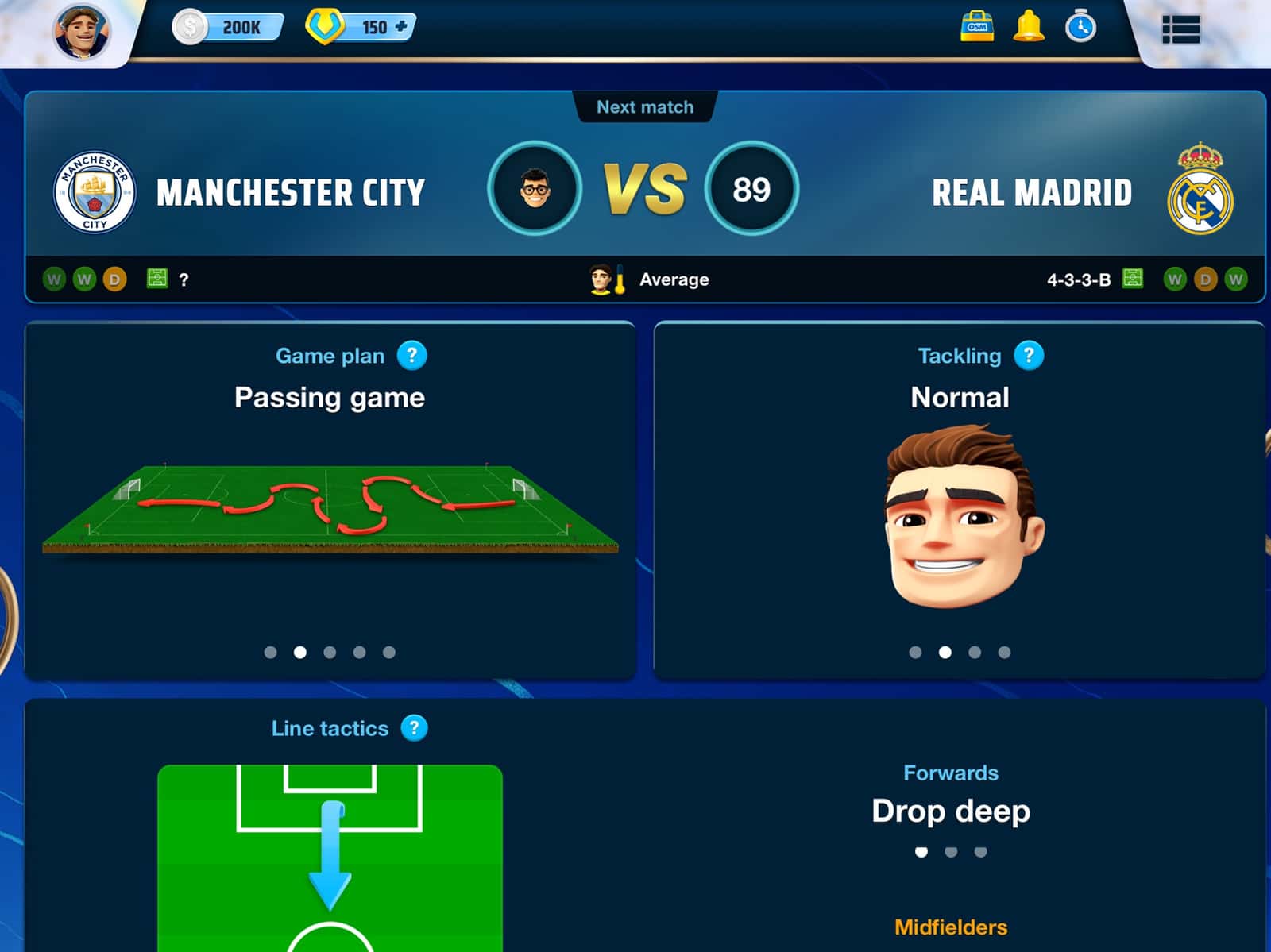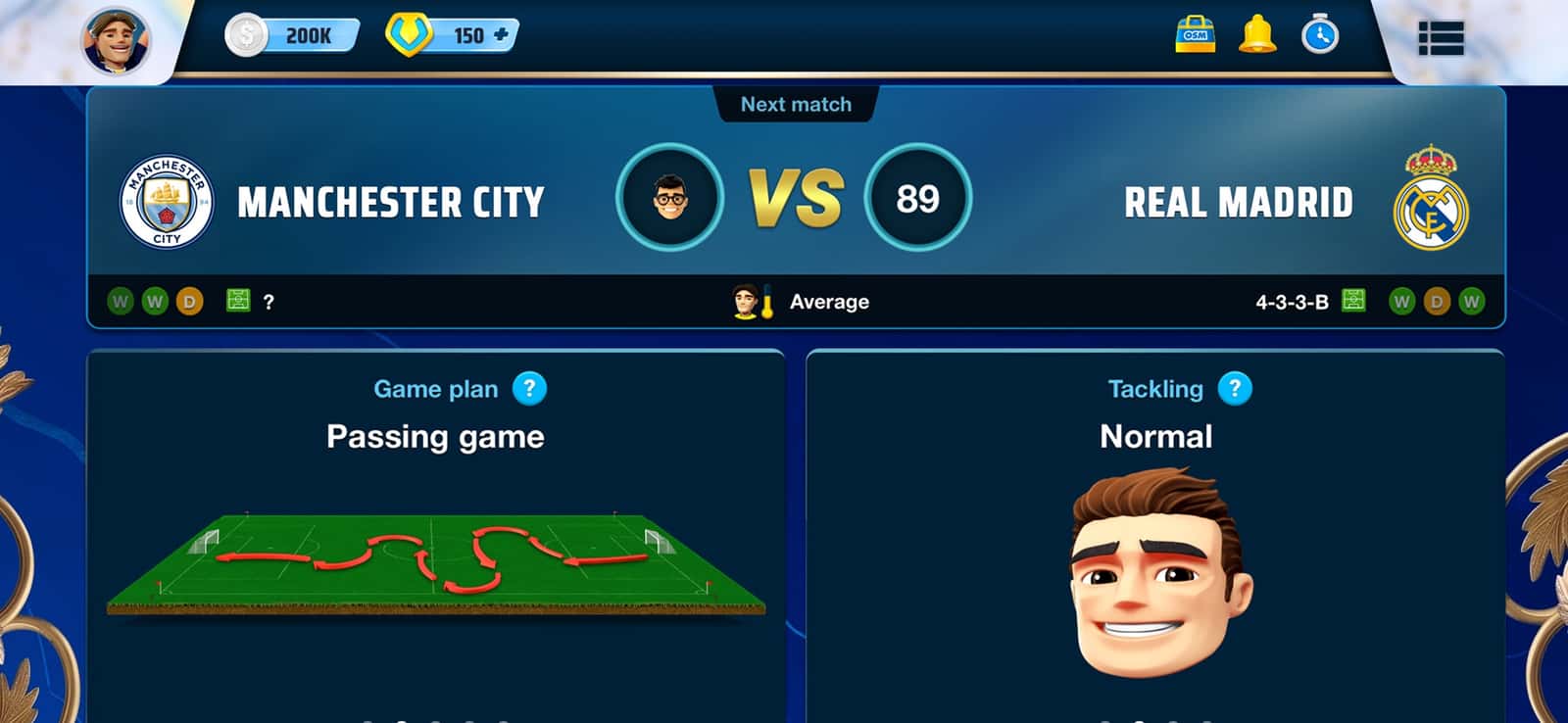

OSM 3-4-3B Tactic 2027 (26/27): Settings and Logic
How to play 3-4-3B in OSM 26/27: the diamond midfield, line tactics, the marking rule, starting Pressing/Style/Tempo values and which opponents it suits.

6 min read
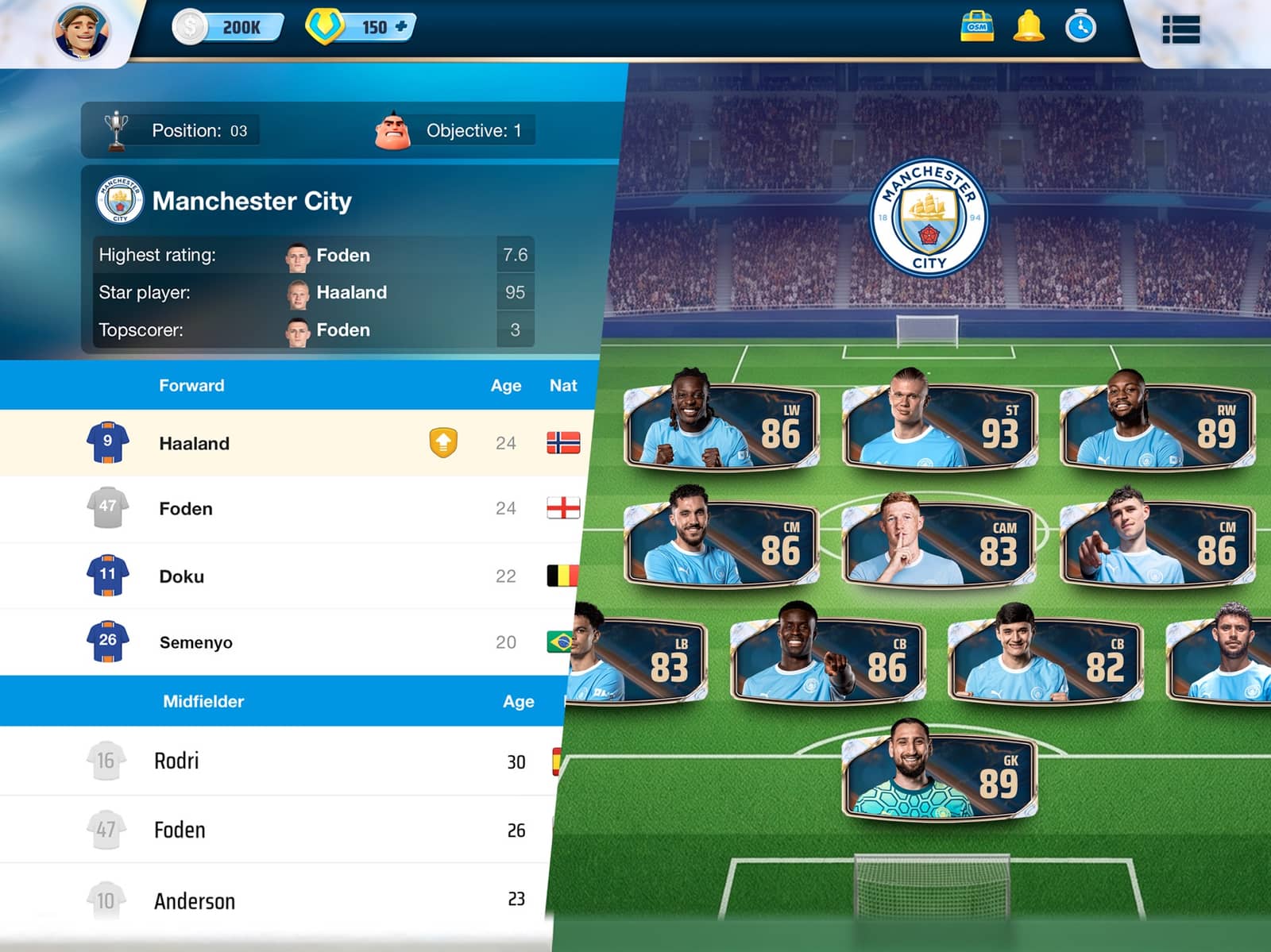
Contents11 sections
The OSM 3-4-3B tactic in short: an attacking shape with three centre-backs, a diamond midfield and three forwards. A sensible 26/27 starting point is Wing play, Forwards on Attack only, Midfielders on Stay in position and the offside trap off, with marking chosen by how many forwards the opponent fields.
To be upfront: we could not find a numeric community table specific to 3-4-3B for the 26/27 season. The advice below rests on general rules from community tools and on the shape of the formation itself. We have not tested any of it, and each value is labelled with where it comes from.
What is 3-4-3B and how does it differ from 3-4-3A?
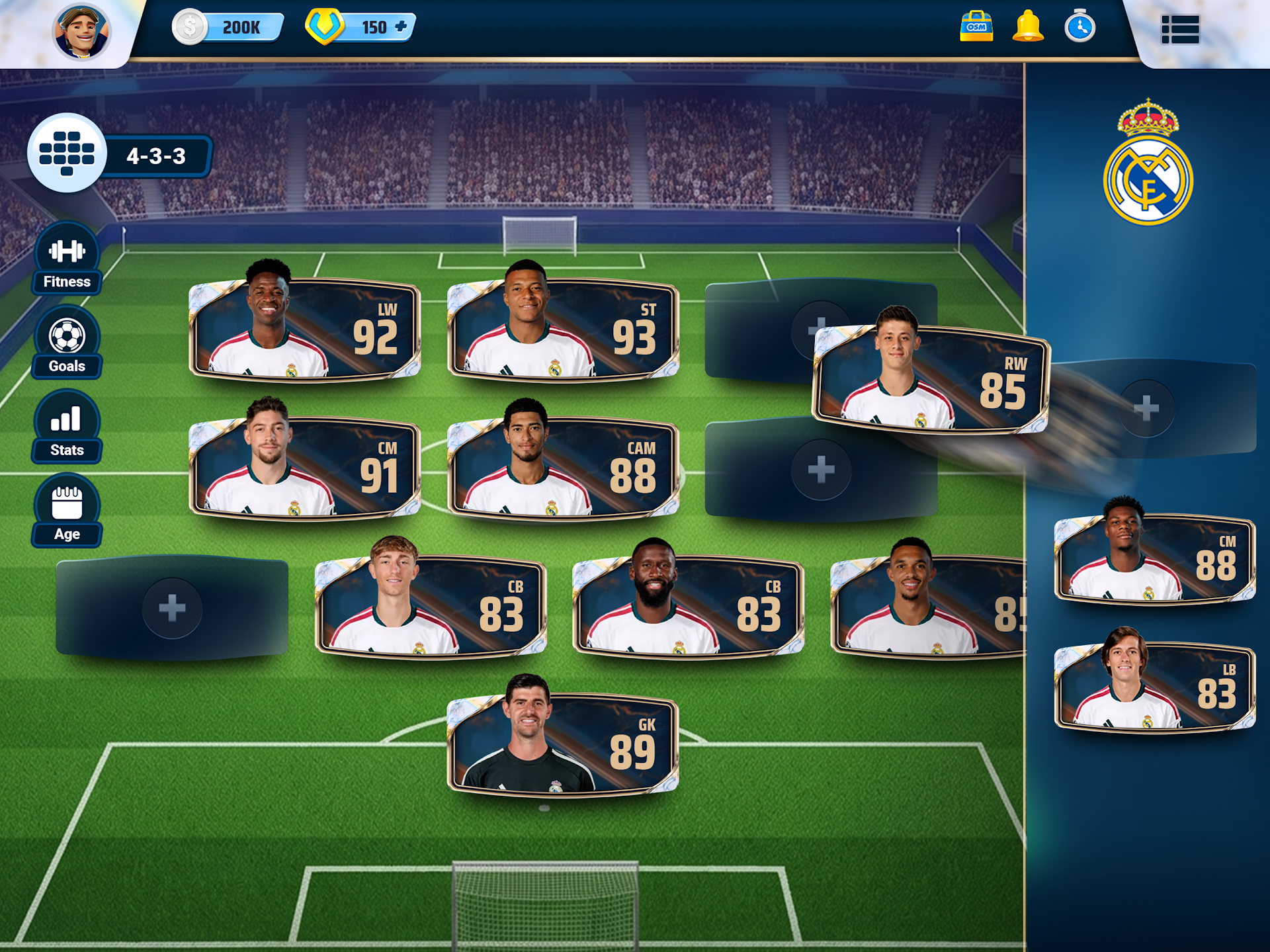
According to Aranzulla's OSM tactics guide, an Italian tech site, the difference is in midfield:
| Formation | Midfield shape | Key feature |
|---|---|---|
| 3-4-3A | Four midfielders in a flat line | Classic, balanced width |
| 3-4-3B | Diamond midfield | The deepest midfielder acts as an extra defender, the most advanced one supports the attack |
That source is undated, but the on-pitch shape of a formation is not something that changes from season to season. OSM Helper's 26/27 guide also lists 3-4-3 among the most popular attacking formations alongside 4-3-3 and 4-4-2, and notes that some formations come in A and B variants.
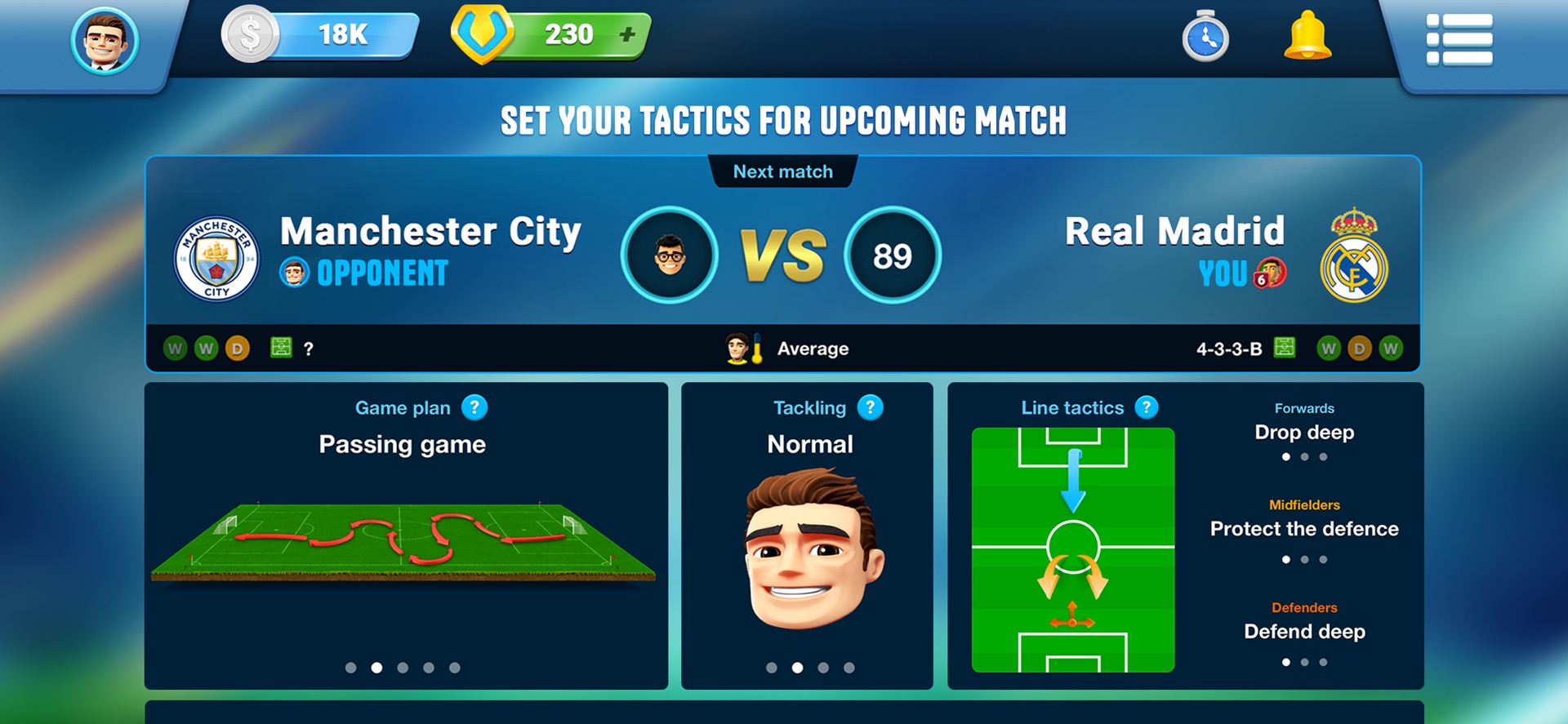
OSM 3-4-3B tactic settings (starting setup)
| Setting | Suggestion | Basis |
|---|---|---|
| Game plan | Wing play | OSM Helper: 4-3-3 and 3-4-3 are the core formations for wing play |
| Forwards | Attack only | Aranzulla's 3-4-3B advice; forwards are on Attack only in all of OSM Next Level's recommendations |
| Midfielders | Stay in position | Pushing midfield forward with only three centre-backs leaves you short at the back |
| Defenders | Defend deep | Defence defends deep in all of OSM Next Level's recommendations |
| Marking | Man marking against 3+ forwards, Zonal marking against 1–2 forwards | OSM Next Level's marking rule |
| Offside trap | No | Off in 52 of OSM Next Level's 54 recommendations; Aranzulla also advises against it |
| Tackling | Careful or Normal; Aggressive with green/blue referees | OSM Helper referee guide |
What should Pressing, Style and Tempo be?
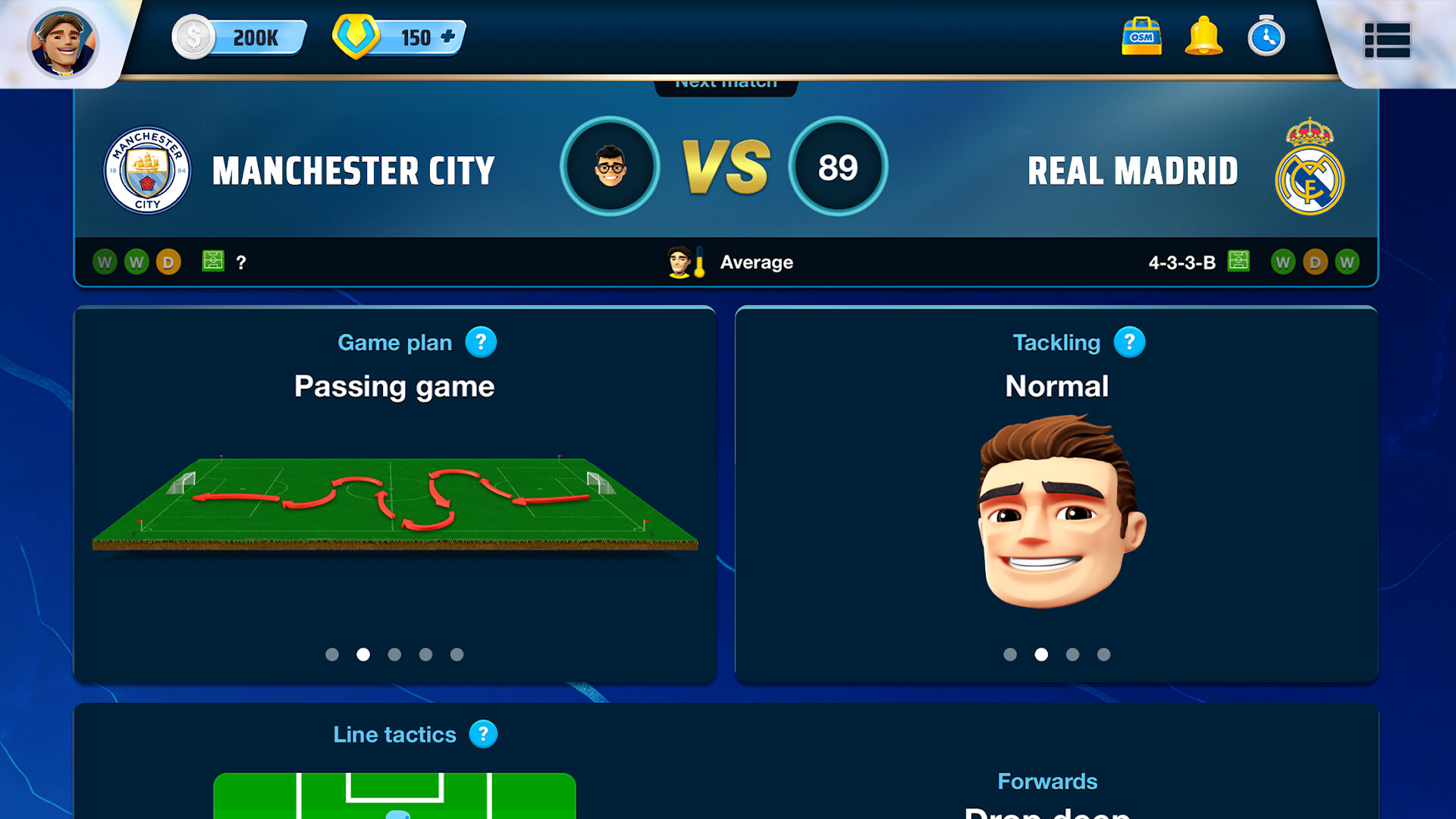
With no 3-4-3B-specific values available, we use OSM Next Level's overall averages by squad strength as a starting point. Those averages come from its 4-3-3 recommendations, so expect to fine-tune them for 3-4-3B.
| Situation | Pressing | Style | Tempo |
|---|---|---|---|
| You are stronger | 66 | 72 | 65 |
| Even | 62 | 66 | 59 |
| You are weaker | 59 | 63 | 60 |
One more tempo rule: according to the same source, tempo goes up when the opponent plays five or six defenders and comes down against back-four sides that shoot on sight. Check the opponent's formation and move tempo a few points accordingly.
For comparison, OSM Helper's 3-4-3A site tactic reads: Wing play, Pressing 69, Style 50, Tempo 50, Defenders on Defend deep, Midfielders on Stay in position, Forwards on Support midfield, offside trap on. It is for the A variant and its offside choice contradicts the other sources, so treat it as a reference rather than something to copy.
Why these settings? The logic of 3-4-3B
3-4-3B has three players at the back, and that is its most sensitive area. When the deepest player of the diamond acts like a fourth defender in front of them, the back three can breathe. That is why keeping the midfield on Stay in position matters; Push forward empties the space behind the diamond.
The marking rule is simple. With three centre-backs against three forwards, you have no spare man; under zonal marking one forward can always end up free, so man marking is needed. If the opponent plays one or two forwards, you have a spare centre-back and zonal marking keeps the shape.
The offside trap is even riskier with a back three. If it fails, there is no fourth defender to cover.
When to play 3-4-3B and when not to
- Good fit: When the opponent plays one or two forwards (4-5-1, 4-2-3-1, 5-4-1, 6-3-1 and similar), three centre-backs are enough and you send an extra man forward.
- Risky: Against three-forward formations (4-3-3, 5-2-3) your defence is level on numbers and you are forced into man marking.
- Avoid: When the opponent is clearly stronger and uses Wing play; three centre-backs struggle to cover the width.
What changed since our older guide
Our 2023 3-4-3B guide recommended Shoot on sight, Support midfield for the forwards, a "One-touch football" tempo and 65% pressing. Today's community rules keep tempo in the 50–65 band for most matches and leave the forwards on Attack only. The components of the tactics screen are the same. OSM's official help page also recommends testing tactics in friendlies to find what works, and we would not skip that step with this setup.
Frequently Asked Questions
Is 3-4-3A or 3-4-3B better?
The sources do not give a definitive answer. Aranzulla recommends B because the player in front of the defence makes it more balanced. If you have a good defensive midfielder, B makes more sense.
Zonal or man marking in 3-4-3B?
Look at the opponent's forwards. Man marking against three or more, zonal marking against one or two.
Can I use the offside trap with 3-4-3B?
It is not recommended. With a back three, there is no extra defender to stop the forward if the trap fails.
Have these values been tested for 3-4-3B?
No. We found no 26/27 data specific to 3-4-3B; the values are derived from general averages. Test them in a friendly and adjust for your squad.
Frequently asked questions
Questions answered in this article
Sources
External links cited in this article
Newsletter
The week's biggest gaming news, every Friday morning
One email every Friday: the week's most-read stories and what's new. No spam, unsubscribe anytime.
LoL, TFT ve VALORANT sever bir oyun sever ve oyuncu. Mobil platformlarda ise tam bir Clash of clans hastası.