
OSM 6-3-1 Tactic 2027 (26/27): Settings and Use
How to play 6-3-1 in OSM 26/27: the Counter-attack setup, line tactics, Pressing/Style/Tempo values, strengths, weaknesses and when to use it.

5 min read

Contents11 sections
The OSM 6-3-1 tactic in short: six defenders, three midfielders and a lone striker, the most defensive formation in OSM. The 26/27 community setup is 6-3-1A with Counter-attack, Defenders on Defend deep, Midfielders on Stay in position, Forwards on Attack only, at Pressing 80, Style 45, Tempo 50.
The setup comes from OSM Helper's site tactics, flagged for away matches against even and stronger opponents. The formation's strengths and weaknesses come from OSM Next Level's 6-3-1 page, a community tool. We have not tested it.
OSM 6-3-1 tactic settings
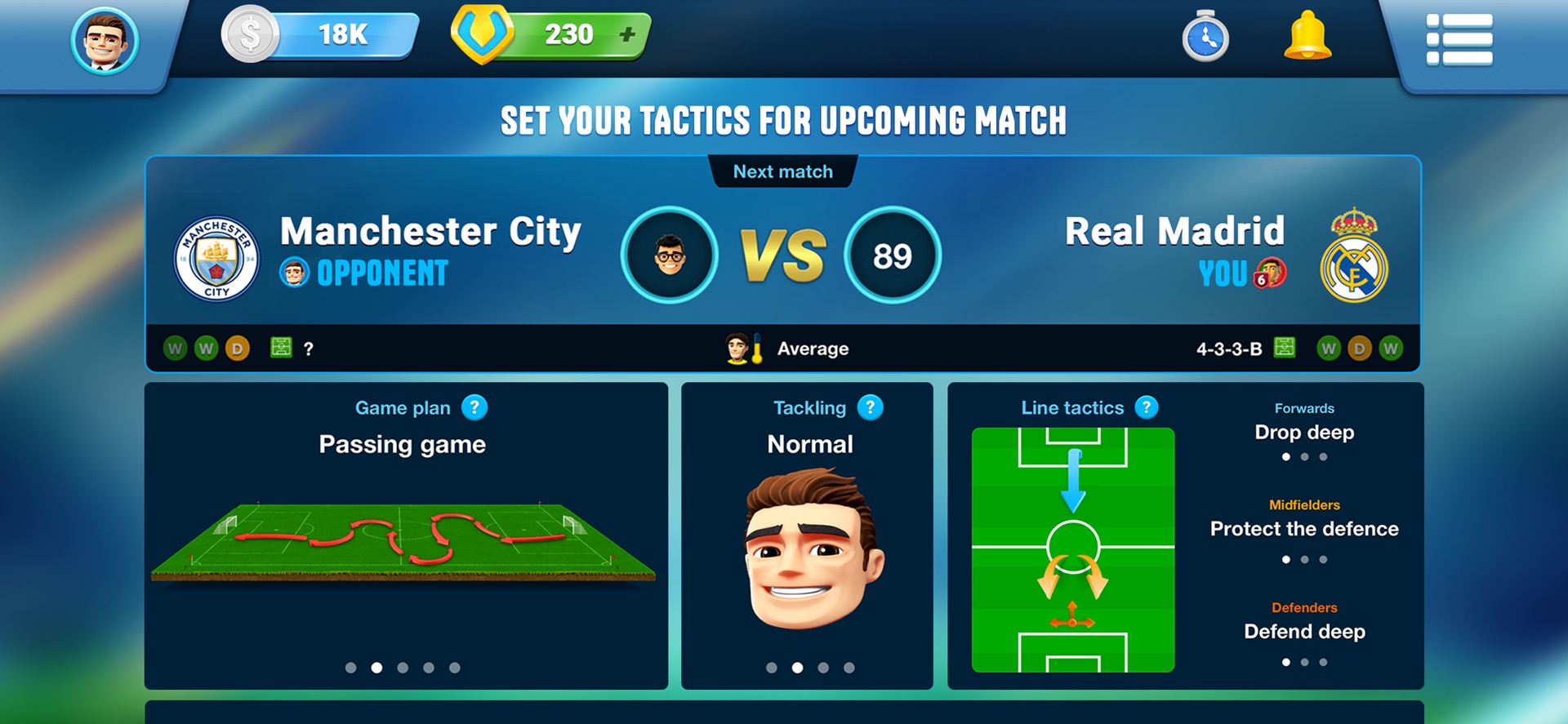
| Setting | Value | In-game label |
|---|---|---|
| Formation | 6-3-1A | Six defenders, three midfielders, one forward |
| Game plan | Counter-attack | Sit deep, break fast |
| Forwards | Attack only | The lone striker waits up front |
| Midfielders | Stay in position | The midfield three hold their places |
| Defenders | Defend deep | The back six stays deep |
| Pressing | 80 | Start of the "Press high up the pitch" band |
| Style | 45 | Neutral |
| Tempo | 50 | Play possession |
| Marking / Offside trap | Zonal marking / No | Six defenders always give you a spare man |
Pressing at 80 is the most striking part of this setup. With six defenders closing the back, the midfield and striker try to win the ball high. Pressing this hard raises the card risk under a strict referee; according to OSM Helper's guide, lower your tackling as the referee gets stricter.
The logic of 6-3-1
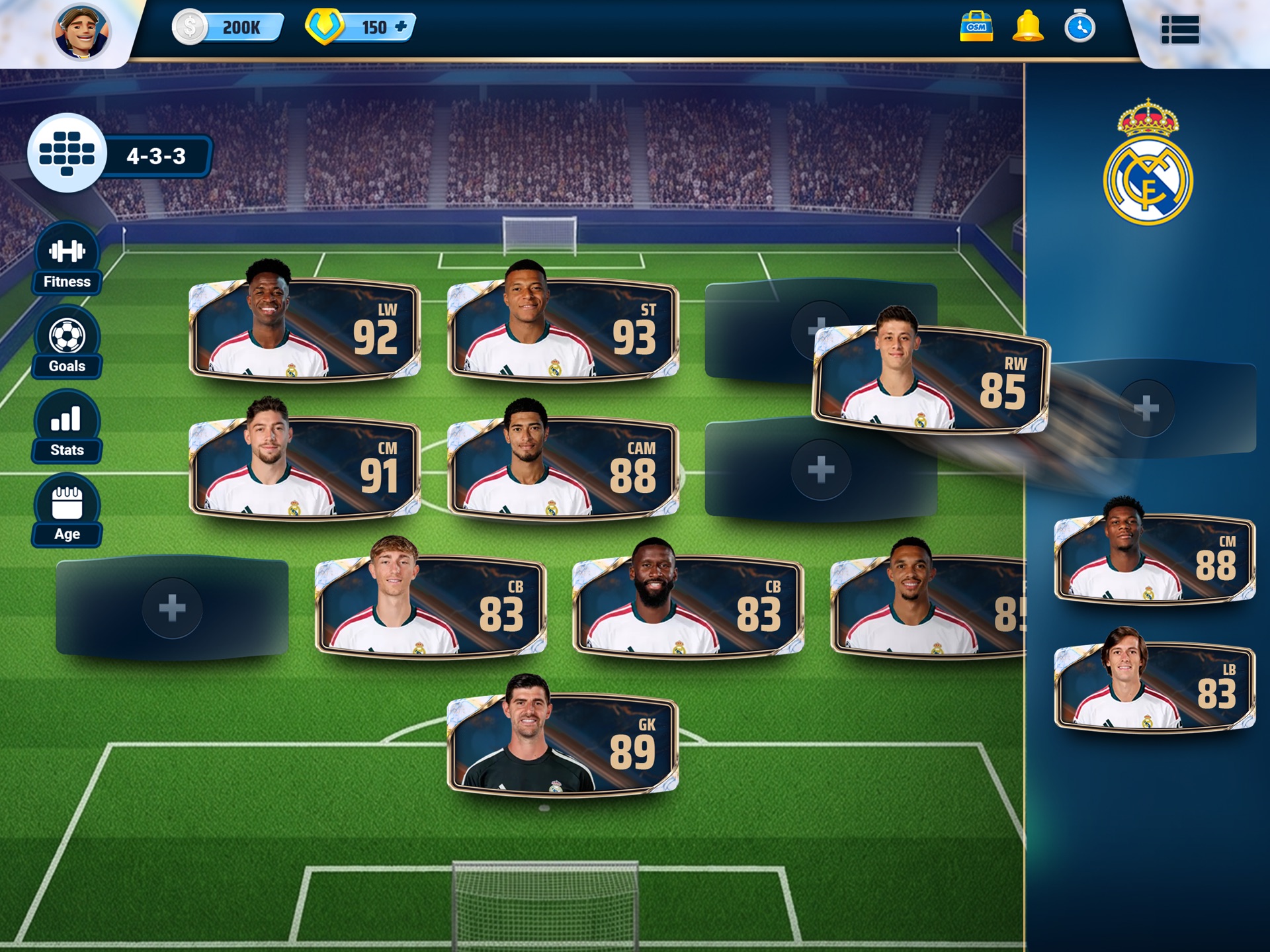
Game plan: According to OSM Helper, Counter-attack is the plan for crowded defences; its priority is not conceding and its best formations are 5-3-1-1 and 6-3-1. OSM Next Level also says shapes with five or more defenders play on the counter.
Marking: Under OSM Next Level's rule, zonal marking keeps the shape when your defenders outnumber the opponent's forwards. With six defenders you always have a spare man.
Offside trap: Off. With the back six sitting deep, a trap would contradict the setup anyway.
Strengths and weaknesses of 6-3-1
| Strength | Weakness |
|---|---|
| A back line of six is extremely hard to break centrally | The rigid six-man line struggles to track wide runners |
| Concedes very few clear chances against any opponent | Wing transitions consistently create chances against it |
| Effective even against much stronger squads away | Almost no attacking threat of its own |
| Minimises risk in must-not-lose matches | Sustained high style at home can eventually break it |
The list comes from OSM Next Level's 6-3-1 page. The same source recommends 4-3-3A with Wing play in every scenario against 6-3-1, mostly with a tempo of 60–75. When you play 6-3-1, expect an opponent who attacks the flanks and moves the ball quickly.
How to protect 6-3-1 against wing play
- Wide defenders: The outermost players in your back six need strong defence ratings; according to the source, wing transitions are this formation's biggest weakness.
- Midfield: Stay in position keeps the midfield three in the centre without being dragged wide. If the opponent shoots from distance, Protect the defence may suit better.
- Lone striker: Your only outlet on the counter. Play your highest attack rating here.
When to play 6-3-1
OSM Helper flags this setup for away matches against even and stronger opponents. OSM Next Level also describes 6-3-1 as a shape that "minimises risk to almost zero in must-not-lose matches". At home or against a weaker side, such a defensive shape can cost you points; you have almost no attacking threat.
If you want something less extreme, there are back-five setups too. Two that OSM Helper flags for stronger opponents are 5-3-1-1 (Counter-attack, Pressing 10, Style 15, Tempo 80) and 5-2-3A (Counter-attack, Pressing 70, Style 30, Tempo 70).
What changed since our older guide
Our 2024 6-3-1A guide also presented 6-3-1A as a defensive setup. The 26/27 version adds OSM Helper's current site setup and OSM Next Level's data on how opponents approach the formation. The tactics screen has not changed, and OSM's official help page still recommends testing a tactic in a friendly first.
Frequently Asked Questions
What is the best game plan for 6-3-1 in OSM?
Community sources recommend Counter-attack. OSM Helper lists 6-3-1 among that plan's best formations.
Why is pressing 80 in 6-3-1?
In OSM Helper's setup, the back is closed with six players, so the midfield and striker try to win the ball high. Under a strict referee, lowering this value and your tackling may make sense.
What is the weak point of 6-3-1?
According to OSM Next Level, the rigid back six struggles to track wide runners and the formation has almost no attacking threat of its own.
Should I play 6-3-1 at home?
It is not recommended. The community setup is flagged for away games against even and stronger sides; playing this defensively at home can cost you points.
Frequently asked questions
Questions answered in this article
Sources
External links cited in this article
Newsletter
The week's biggest gaming news, every Friday morning
One email every Friday: the week's most-read stories and what's new. No spam, unsubscribe anytime.
LoL, TFT ve VALORANT sever bir oyun sever ve oyuncu. Mobil platformlarda ise tam bir Clash of clans hastası.